Barriers to Entry
For several years now, New York City real estate news has been consumed with debates on affordable housing issues and various taxation methods of real estate, especially in the last year as we entered the city’s mayoral campaign and now the new administration. Headlines on improving conditions for stabilized tenants, to the other end of the spectrum on proposing taxes on everything from all cash transactions, to increased “mansion taxes,” to pied-à-terre taxes have dominated New York City’s real estate world.
Sandwiched in the middle of affordable housing and taxing the rich agendas, is an elephant in the room. Home ownership in the United States has been the bedrock of the American Dream. It has historically been the foundation for building financial stability and wealth, not of mentioning the mental, familial and emotional stability offered by owning and controlling one’s own home. It provides a solid long-term investment, forced savings and the opportunity to build equity. That prospect has been drifting further and further away for the largest group in the city – the many laborers and professionals, many of whom make six-figures and more, but who now can’t reach the point of being able to afford to purchase their own home.
The average rent in the city now exceeds $5,000 a month. Inflation, the topic of the daily news, has even more rapidly accelerated in New York City over the past five years. But excessively high costs of living, low available property inventory and now higher mortgage rates only contribute to the challenge. Unfortunately, the barriers to entry for many have become increasingly more inhibiting.
Some first-time home buyers in the city are fortunate enough to have access to financial support – often from parents – to help with their purchase. Purchasing in New York City has more financial nuances than most anywhere else. Cooperatives dominate the real estate market as purchasing options; and every coop building can operate with their own prerogatives – for instance, if they allow financing, how much, and the acceptable financial picture of the purchaser – from income, the ratio of income spent on debt service and the amount of assets that a buyer must hold once they close on the purchase.
Almost always, coops’ standards are higher – or much higher – than what a lender will allow. Most purchasers in New York City do not have the good fortune of outside financial help. So, unlike a small town, country or suburban home purchase, a New Yorker often must have significantly higher income, assets and down payment if borrowing to purchase. The law of unintended consequences plays out in the bigger picture.
The majority of property inventory in New York City are coop and condos that were converted from what were once rental buildings. Ownership in the city became more prevalent beginning in the 1970s as more landlords and developers filed plans with the state to convert rental buildings to mostly then cooperatives for sales opportunities to existing tenants and outside purchasers. Prior to 2019, landlords needed just 15% of the units in a building in contract in order to convert an occupied rental building. Existing tenants were offered pricing at significantly discounted rates to purchase internally.
Albany baked some major changes to our real estate sales landscape in the Housing Stability and Tenant Protection Act (HSTPA) in 2019. Along with various new regulations intended to help stabilized rental tenants, lawmakers also radically modified the expectations to convert a building to needing at least 51% of existing tenants to purchase their properties. The number of conversion plans submitted to the state dropped 80% the year after, and virtually zero rental buildings have been converted to coop or condo in New York City since 2019. Whether by commission or omission, actions have consequences.
These conversion buildings which were a key pipeline for property inventory disappeared. Along with it, went a significant portion of more affordable purchasing options for existing tenants, and less restrictive options for first-time buyers, who could avoid review processes and have options to put significantly less money down and have less savings required. As Albany and the city continue to propose changes to our real estate landscape, we hope this regulation gets attention and hopefully addressed soon.
----------------------------
The Numbers
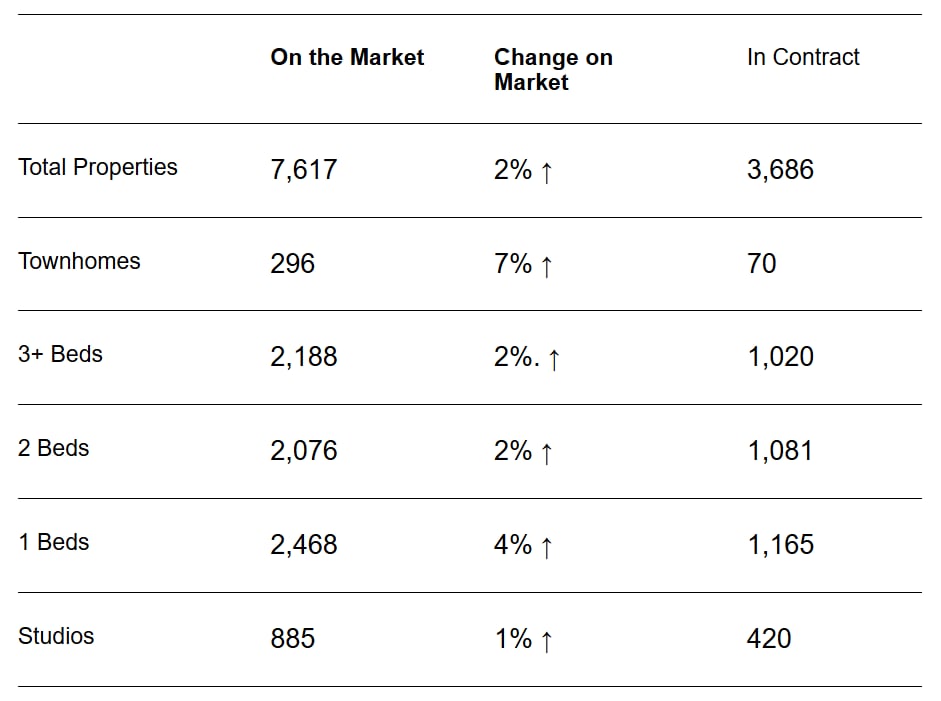
Manhattan Market Activity
Highlighting our market's past 30 days.
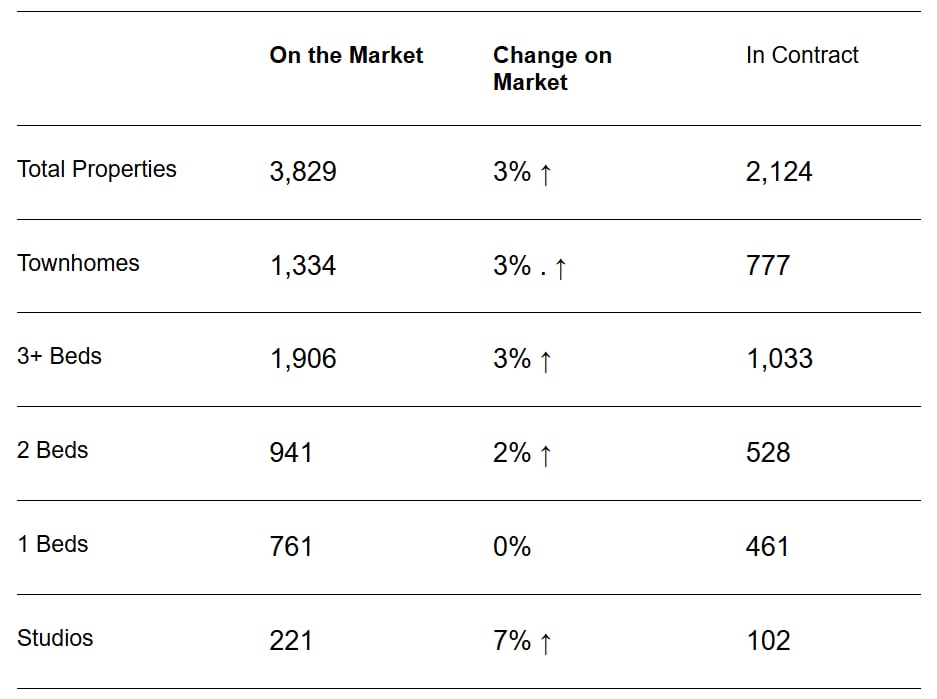
Brooklyn Market Activity
Highlighting our market's past 30 days.
----------------------------
The Properties
Our month's featured listings on the market.

Sutton Place / Manhattan
Co-op
4 Beds / 3 Baths
$2,250,000
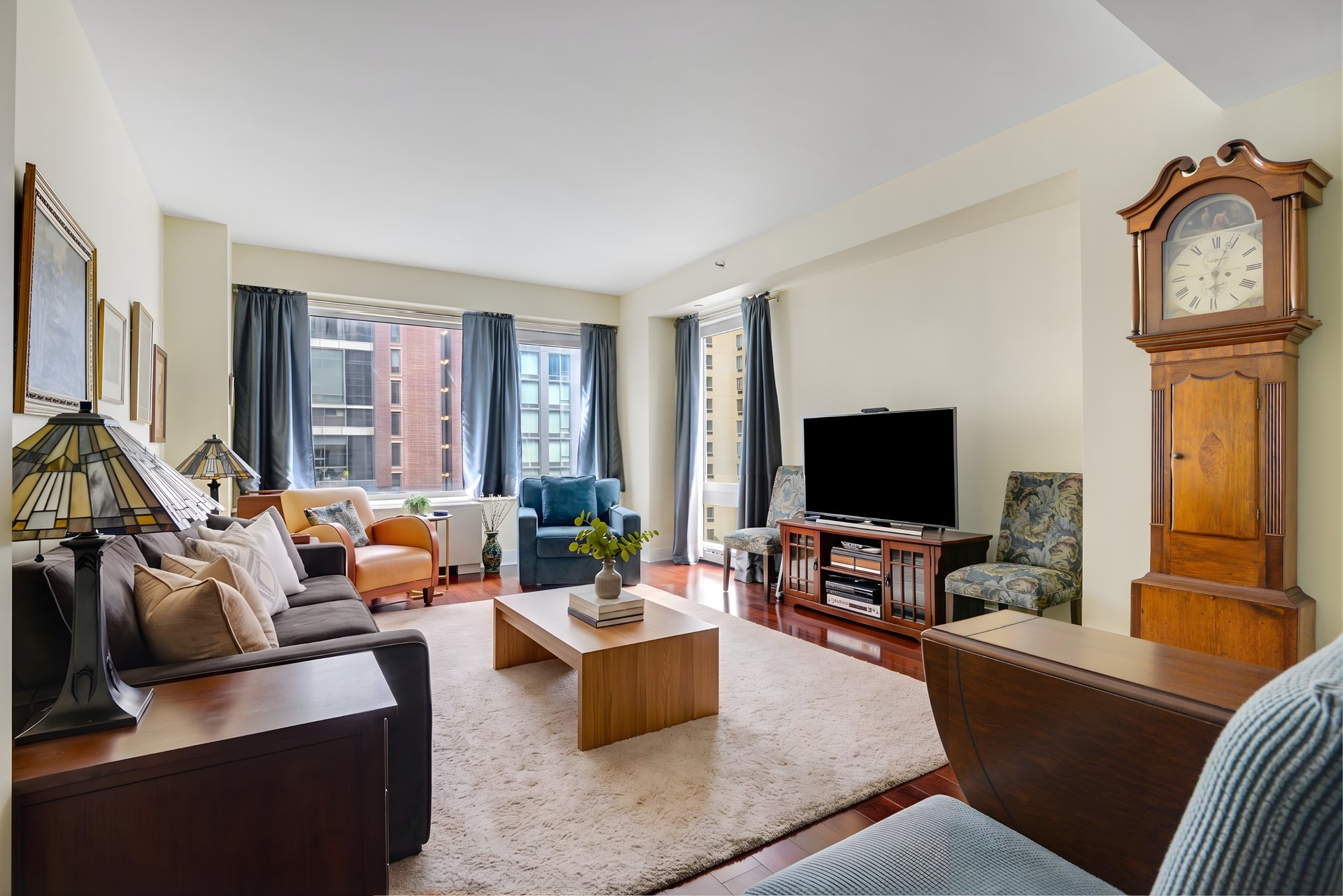
Long Island City / Queens
Condo
2 Beds / 2 Baths
$1,400,000

Williamsburg / Brooklyn
Condo
2 Beds / 2 Baths
$2,485,000
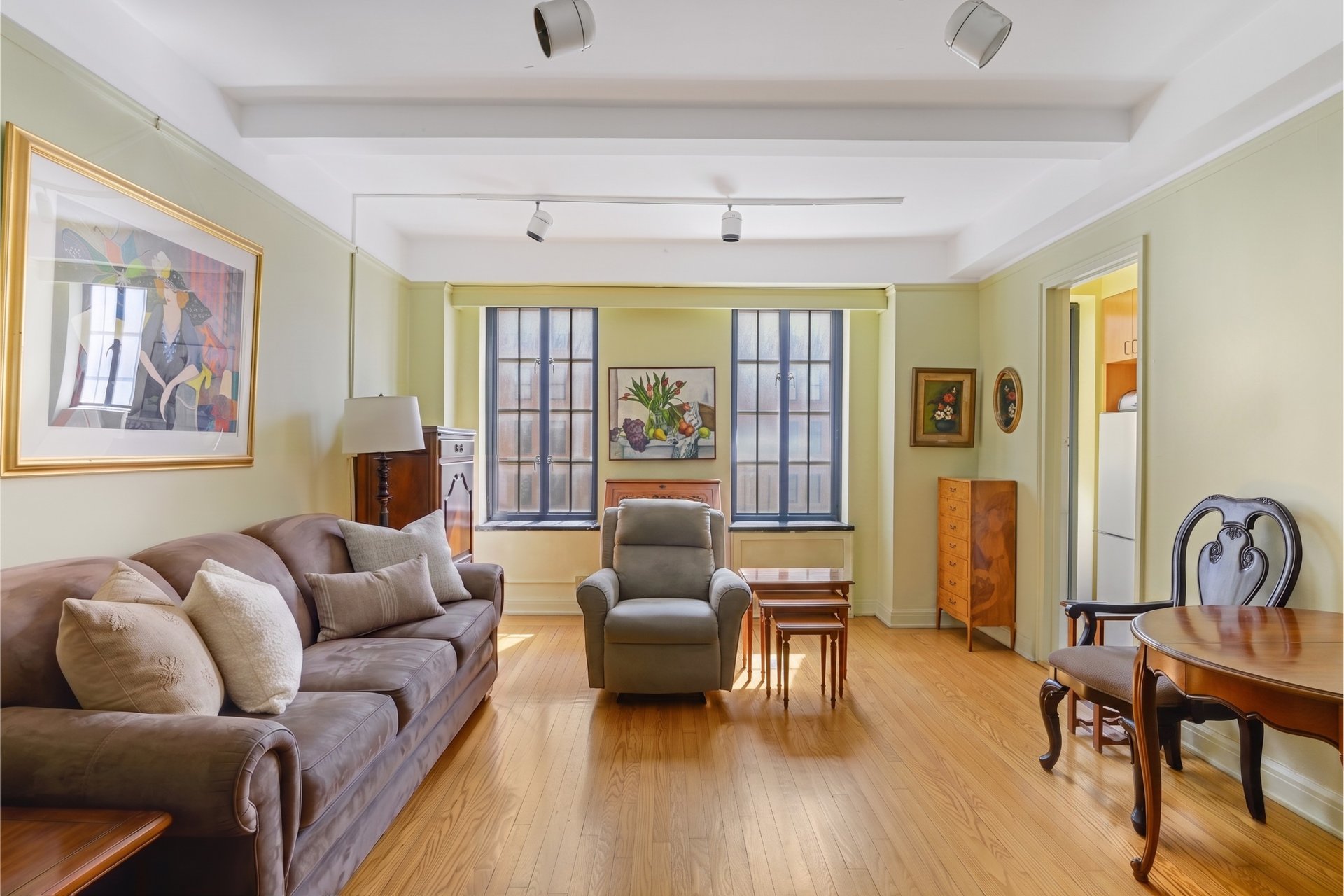
Chelsea / Manhattan
Co-op
Studio / 1 Bath
$483,000
----------------------------
The Pick
From the cool and eccentric to reserved and irreverent - Our month’s pick of what's happening in New York City.

Tribeca Festival
Films, TV, Featured Speakers, Games and Podcasts are among this year's festival offerings.
June 3-14, 2026
Events located at various venues.
----------------------------